What History's Biggest Energy Crises Teach Us About Investing Through Uncertainty
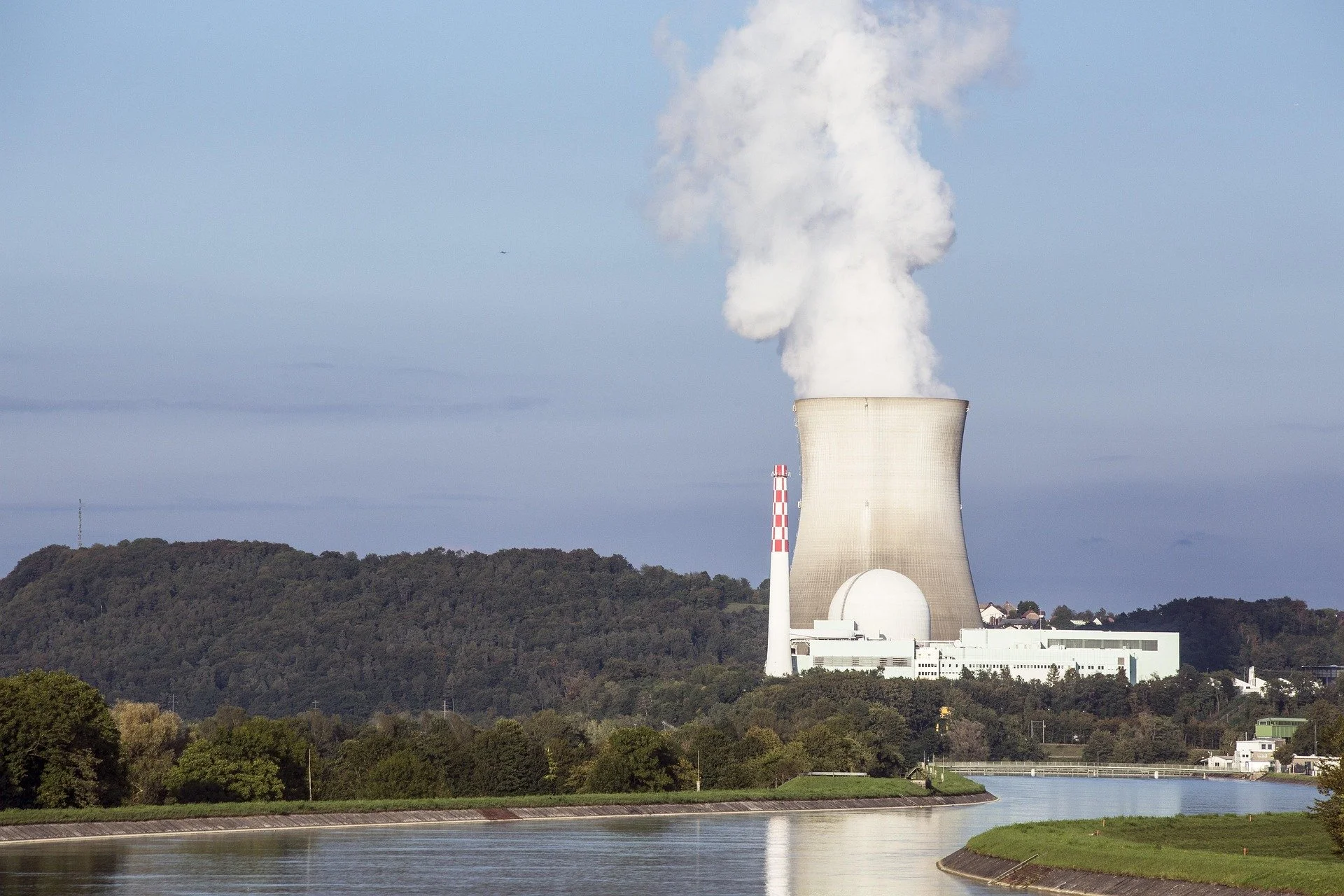
Energy sources such as oil and electricity are the lifeblood of modern economies, with disruptions creating ripple effects though all other sectors.
Energy, Economics, and the Long View
Energy sources such as oil and electricity are the lifeblood of modern economies. When the supply is disrupted or prices spikes dramatically, the ripple effects can touch everything from grocery bills to corporate earnings to interest rates. Energy crises have a way of generating headlines that feel uniquely alarming — and yet, history offers a reassuring pattern: economies adapt, markets recover, and patient investors are rewarded.
Understanding how past energy shocks unfolded — and ultimately resolved — is one of the most useful exercises a long-term investor can undertake.
A Brief History of Major Energy Crises
The 1973 OPEC Oil Embargo
The modern era of energy-driven economic disruption arguably begins with this event. In October 1973, Arab members of OPEC (Organization of the Petroleum Exporting Countries) imposed an oil embargo on the United States and other Western nations in response to U.S. support for Israel during the Yom Kippur War. The price of oil quadrupled almost overnight, rising from around $3 per barrel to nearly $12.
The economic consequences were significant: the U.S. entered a period of stagflation — a painful combination of high inflation and slow growth — and long lines at gas stations became a defining cultural image of the era. The S&P 500 fell roughly 48% from its 1973 peak to its 1974 trough.
And yet, merely 6 years later, the market had more than recovered. And the most important lesson for today’s investors is that those who remained disciplined through the volatility were rewarded.
The 1979 Iranian Revolution & Second Oil Shock
The fall of the Shah of Iran in February of 1979 and the subsequent disruption to Iranian oil output triggered a second major price shock. Oil prices nearly doubled again, contributing to double-digit inflation in the U.S. and a painful Federal Reserve-driven recession in the early 1980s.
Once again, the short-term pain was real — but so was the long-term recovery. The energy sector restructured, efficiency improved, and new sources of supply came online. The economy and markets moved forward.
The 1990 Gulf War Spike
Iraq's invasion of Kuwait in August of 1990 temporarily removed a significant oil supply from global markets. Crude prices doubled in a matter of months. Combined with a credit crunch, the U.S. slipped into yet another recession. The S&P 500 declined about 20% between July and October of that year.
Ultimately, the spike was short-lived. Once the Gulf War concluded and supply normalized, oil prices fell sharply, and markets rebounded strongly through the 1990s bull run. Again, disciplined investors were rewarded for staying the course.
The 2000s Oil Price Surge
Between 2002 and 2008, oil prices rose from under $25 per barrel to nearly $147 — a surge driven not by a single geopolitical event, but by booming global demand (particularly from China and India) outpacing supply growth. This was a slower-moving crisis, but one that nonetheless contributed to broader inflationary pressures that compounded the 2008 financial crisis.
The lesson here is that energy price trends can be driven by demand as much as supply — and the economic effects can be significant either way.
The 2014–2016 Oil Price Collapse
This crisis ran in the opposite direction from others throughout history. The U.S. shale revolution—a period marked by the widespread adoption of hydraulic fracturing—dramatically increased domestic oil production. At the same time, OPEC chose not to cut output in an effort to defend prices. As a result, oil fell from over $100 per barrel to under $30 by early 2016. While consumers benefited from lower energy costs, energy-sector companies, their employees, and the communities that depended on them faced serious hardship.
This episode is a useful reminder that energy crises don't always mean higher prices — and that volatility cuts both ways.
COVID-19 and the 2020 Demand Collapse
In April 2020, in one of the most dramatic events in commodity market history, U.S. oil futures briefly turned negative — meaning sellers were paying buyers to take oil off their hands — as storage facilities filled to capacity and demand collapsed almost instantaneously with global lock downs.
Oil recovered to over $80/barrel within roughly 18 months. The speed of both the collapse and the recovery underscored how quickly conditions can change — and why reactive decision-making during moments of extreme volatility can be costly.

Energy-intensive industries — airlines, trucking, chemicals, agriculture — face direct margin compression when fuel costs rise.
How Energy Prices Flow Through the Broader Economy
Understanding the transmission mechanisms helps investors contextualize the noise without overreacting to it. Informed investors are disciplined investors.
Inflation: Energy is an input cost for nearly everything — manufacturing, shipping, agriculture, retail. When energy prices rise significantly, broader inflation tends to follow, which can prompt central banks to raise interest rates.
Consumer Spending: Gasoline and heating costs are relatively inelastic — people need to drive and heat their homes. Higher energy costs effectively act as a tax on disposable income, reducing the money available for other spending.
Corporate Margins: Energy-intensive industries — airlines, trucking, chemicals, agriculture — face direct margin compression when fuel costs rise. This can translate into lower earnings and, ultimately, stock price pressure in those sectors.
GDP Growth: Sustained high energy prices have historically been associated with recessions. Economists often note that most U.S. recessions since 1973 were preceded by significant oil price spikes.
Currency and Trade Dynamics: Countries that import most of their energy see their trade deficits widen during price spikes, adding pressure to currency values. Oil-exporting nations experience the opposite effect.
What This Means for Long-Term Investors
Here is where history becomes most instructive. In the face every one of the crises described above — each of which generated genuine fear and uncertainty at the time — long-term investors in diversified portfolios have fared remarkably well.
A few principles worth keeping in mind:
1. Market prices in times of uncertainty shift faster than most investors can react. By the time an energy crisis dominates the news cycle, much of its economic impact is already reflected in asset prices. Selling into that fear often means locking in losses just before recoveries begin.
2. Energy crises tend to accelerate structural change — which creates opportunity. The 1970s oil shocks accelerated investment in fuel efficiency and alternative energy. The 2014 shale collapse restructured the U.S. energy sector into a leaner, more resilient industry. Today's energy transition is following a similar pattern. Disruption creates winners and losers — and patient investors can position thoughtfully rather than reactively.
3. Volatility is not the same as permanent loss. The S&P 500 fell nearly 50% during the 1973–1974 energy and recession crisis. However, it also fully recovered and then some. Conflating short-term volatility with permanent destruction of value is one of the most common — and costly — mistakes investors make during crises.
4. Diversification is your shock absorber. A well-diversified portfolio naturally includes both beneficiaries and victims of energy price movements. Energy sector exposure rises in value when oil rises; consumer and industrial companies may suffer. A balanced portfolio dampens these swings without requiring you to predict the direction of commodity prices (an impossible task).

Regardless of the changes to the market, value of perspective, patience, and a disciplined investment process will remain the same.
The Bottom Line: Stay Informed, Stay Steady
Energy markets are inherently cyclical and geopolitically sensitive. They will continue to produce moments of genuine alarm — and genuine opportunity. The investors who navigate these moments best are not the ones who react most quickly, but the ones who have a clear plan and the discipline to follow it.
History has delivered oil embargoes, price collapses, geopolitical shocks, and pandemic-driven demand crises. In every case, the long-term trajectory of well-constructed portfolios has been upward.
The energy market will continue to evolve — shaped by the global transition away from fossil fuels, by new supply technologies, and by the shifting geopolitics of resource-rich regions. What won't change is the value of perspective, patience, and a disciplined investment process.
This post is intended for educational and informational purposes only and does not constitute investment advice. Past market performance is not indicative of future results. Please consult with a qualified financial advisor regarding your specific situation.